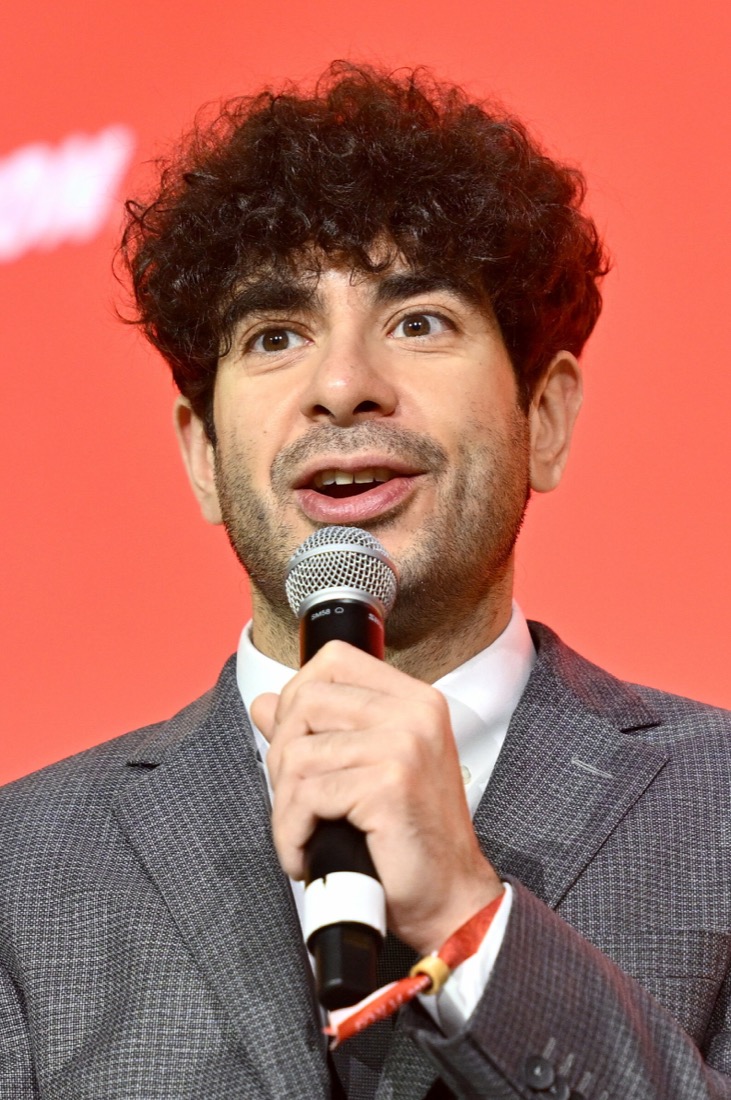
Arthur Hayes
The former derivatives trader who helped invent modern crypto trading at BitMEX, then reinvented himself as an investor and market provocateur.
Arthur Hayes is an American businessman, former derivatives trader and cryptocurrency entrepreneur best known for co-founding BitMEX, one of the most influential crypto derivatives exchanges of the 2010s. Born in 1985 in Detroit, Michigan, Hayes helped popularize the perpetual swap, a derivatives product that became central to crypto trading, and later became a prominent commentator on digital assets and global macroeconomics. His career also includes a notable legal case in the United States and a presidential pardon in 2025.
This profile explains who Arthur Hayes is, his education and early finance career, the rise of BitMEX, his legal troubles and pardon, his investment vehicle Maelstrom, his estimated net worth and his current activities.
Early Life and Education
Arthur Hayes was born in 1985 in Detroit, Michigan. He was a strong student and athlete in his youth, competing in tennis and cross country, and he graduated near the top of his high school class in 2004. He went on to study at the Wharton School of the University of Pennsylvania, earning a Bachelor of Science in economics in 2008.
Graduating into the global financial crisis, Hayes entered the traditional finance industry at a turbulent moment, an experience that shaped his later skepticism of banks and central banking and informed much of his writing about money and markets.
Early Career in Finance
After university, Hayes began his career as an equity derivatives trader. He worked at Deutsche Bank and later at Citigroup, based in Hong Kong, where he specialized in exchange traded funds and derivatives. That work gave him deep, practical knowledge of how derivatives are structured, priced and traded, and it placed him in Asia at a time when interest in Bitcoin was beginning to grow.
His exposure to both sophisticated derivatives and the early Bitcoin market led him to a simple but powerful idea: that crypto traders wanted leveraged, professional grade trading products that did not yet exist in a usable form. That insight became the basis for BitMEX.
The Founding and Rise of BitMEX
Arthur Hayes co-founded BitMEX, the Bitcoin Mercantile Exchange, in 2014 with Ben Delo and Samuel Reed. The platform focused on crypto derivatives and is closely associated with popularizing the perpetual swap, a futures like contract with no expiry date that allows traders to take leveraged positions on crypto prices. The perpetual swap became one of the most heavily traded instruments in all of crypto and was widely copied across the industry.
BitMEX grew quickly to become one of the largest crypto derivatives venues in the world, handling enormous trading volumes at its peak. Hayes became a well known figure in the crypto industry, both for building BitMEX and for his outspoken views on markets. His success made him wealthy and turned him into one of the more recognizable personalities of the era when crypto derivatives went mainstream.
Legal Case and Pardon
BitMEX's rapid growth attracted regulatory scrutiny in the United States. The case centered on anti money laundering obligations and the Bank Secrecy Act, with authorities arguing that the exchange had not implemented adequate controls while serving United States customers.
In 2022, Arthur Hayes pleaded guilty to a violation of the Bank Secrecy Act. He was sentenced to a period of home detention, probation and a financial penalty reported at $10 million. The case was significant for the crypto industry because it underscored that exchanges serving United States users were expected to meet established financial compliance rules.
In March 2025, Hayes and his BitMEX co-founders received a pardon from President Donald Trump. The pardon closed the legal chapter and was widely covered as part of a broader shift in the United States political environment toward the crypto industry.
Maelstrom and Investing
Alongside and after his BitMEX years, Hayes built Maelstrom, his family office. Maelstrom operates as both a venture capital and private equity investor, with a focus on crypto infrastructure and on Web3 businesses that generate real revenue rather than relying purely on speculation. Reports have described a private equity fund in the range of $250 million aimed at this strategy.
Through Maelstrom, Hayes invests across the digital asset ecosystem, and he uses his platform to advocate for projects and themes he believes in. His investing is closely watched within the industry because of his track record and his large following.
Arthur Hayes as a Commentator
Beyond building and investing, Arthur Hayes is known as a prolific writer and speaker. He publishes long essays that combine crypto market analysis with views on central banking, government debt, currency debasement and global liquidity. His commentary often argues that loose monetary policy and rising government debt strengthen the long term case for Bitcoin and other scarce assets.
This body of writing has made him one of the more influential voices in crypto opinion, and his market calls and macro arguments are widely discussed by traders and investors.
Arthur Hayes Net Worth
Arthur Hayes net worth in 2025 was estimated at roughly $200 million to $300 million. That range reflects his equity in BitMEX, his Maelstrom holdings and verified on chain cryptocurrency positions, with additional, less certain holdings sometimes cited by analysts. Because a large portion of his wealth is held in volatile digital assets, estimates can move significantly with the crypto market.
His wealth, while large, is concentrated in the crypto ecosystem he helped build, which means his financial position is closely tied to the health and direction of that market.
Personal Life
Arthur Hayes maintains a high public profile within crypto through his writing, interviews and conference appearances, while keeping much of his private life out of public view. He is associated with Asia, particularly Hong Kong and the broader region, where he built much of his career, and he travels and speaks widely at industry events.
Arthur Hayes in 2026
As of 2026, with his legal case resolved through the 2025 pardon, Arthur Hayes is focused on investing through Maelstrom and on his role as a leading commentator on crypto and macroeconomics. He remains a closely followed figure in digital assets, both for where he puts capital and for his views on the forces he believes will drive the next phase of the market.
He is profiled alongside other digital asset founders in the Crypto sector on Founder Canon, a group whose work reshaped how financial markets and money itself are discussed.
Frequently Asked Questions
Who is Arthur Hayes?
Arthur Hayes is an American businessman and former derivatives trader who co-founded the cryptocurrency exchange BitMEX in 2014. He is also known as a widely read commentator on digital assets and macroeconomics and runs the family office Maelstrom.
What is Arthur Hayes's net worth?
Arthur Hayes's net worth in 2025 was estimated at roughly $200 million to $300 million, reflecting his equity in BitMEX, his Maelstrom holdings and verified on chain crypto positions.
What happened with Arthur Hayes and the law?
In 2022 Hayes pleaded guilty to a violation of the United States Bank Secrecy Act related to anti money laundering controls at BitMEX and received home detention, probation and a fine. In March 2025 he and his co-founders received a presidential pardon.
What is Maelstrom?
Maelstrom is Arthur Hayes's family office, which operates as a venture and private equity investor focused on crypto infrastructure and revenue generating Web3 businesses.
How old is Arthur Hayes?
Arthur Hayes was born in 1985 in Detroit, Michigan, which makes him about 40 years old as of 2026.
Sources
More from Crypto
Chris Larsen
The serial fintech founder who built online lending pioneers before co-founding Ripple, the company behind XRP, briefly becoming one of the richest people in crypto.
Jed McCaleb
The serial technologist behind Mt. Gox, Ripple and Stellar who became a crypto billionaire, then turned his fortune toward building a private space station.