Brian Cornell
The veteran consumer executive who spent more than a decade steadying Target, turning a data breach and a sales slump into one of retail's most studied turnarounds.
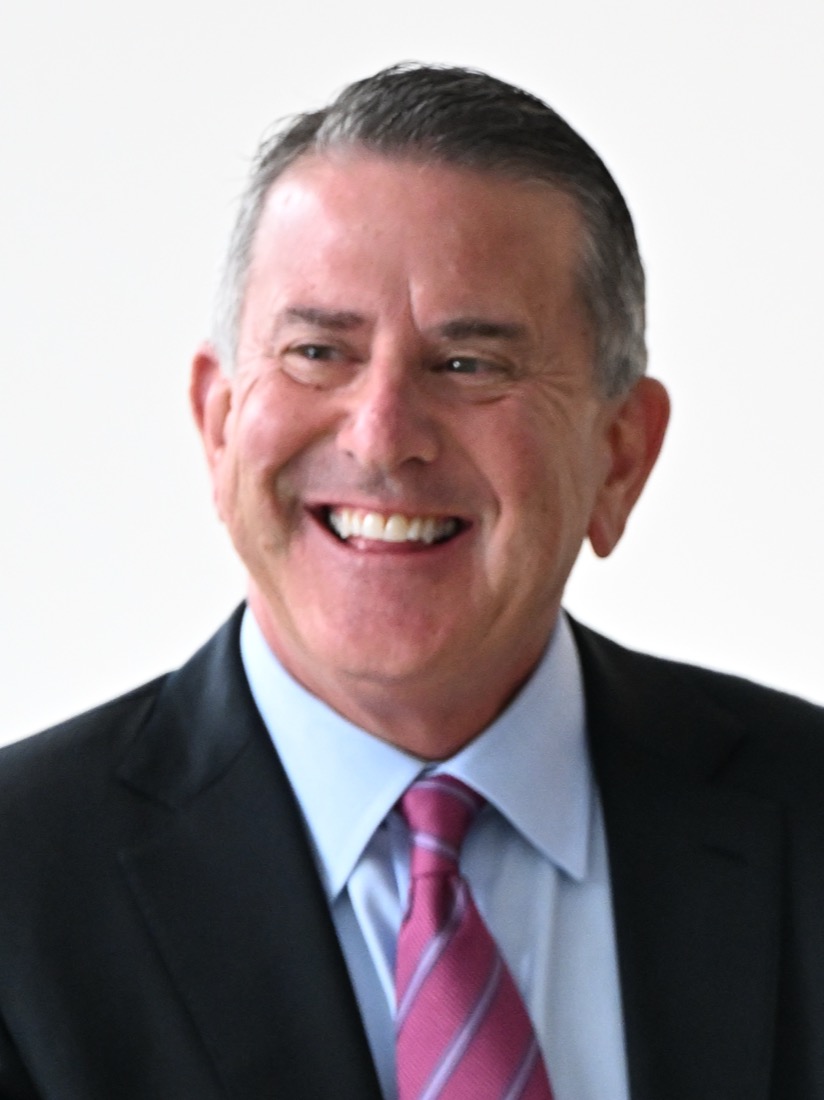
Brian Cornell is an American business executive who became one of the most prominent figures in modern retail as the long serving chairman and chief executive of Target Corporation. Born in 1959, Cornell took the top job at Target in August 2014 and led the company for more than eleven years, before transitioning to the role of executive chairman on February 1, 2026. Over that period he steered the retailer through a damaging data breach, a failed international expansion, a sales slump and the upheaval of a global pandemic, building a reputation as a steady, consumer focused operator who could stabilize a struggling business.
This profile covers who Brian Cornell is, his early life and education, his long career across consumer companies, his leadership of Target, his compensation and net worth, and his current role.
Early Life and Education
Brian C. Cornell was born in 1959 and grew up in the United States in modest circumstances that he has often described as formative. Raised in Queens, New York, by a single mother and his grandparents, he has spoken about an upbringing without much money, an experience he credits with giving him an understanding of the value oriented shoppers who would later define much of his career in retail.
He attended the University of California, Los Angeles, where he earned his undergraduate degree. From there he entered the consumer goods world, beginning a career that would carry him through some of the largest food, beverage and retail companies in the United States.
Early Career in Consumer Goods
Cornell built his early reputation in the consumer packaged goods and grocery industries. He held senior roles at companies including Safeway, the grocery chain, and at Tropicana and other food and beverage businesses, developing expertise in branding, marketing and the economics of selling products to mass market consumers.
This grounding in consumer goods, rather than purely in retail operations, shaped his later approach. He learned to think like both a brand builder and a merchant, an unusual combination that would prove valuable when he was asked to revive a struggling mass market retailer.
Leading Michaels, Sam's Club and PepsiCo
Before Target, Cornell ran three significant businesses in succession, an unusually broad set of chief executive and division head experiences. He served as chief executive of Michaels Stores, the arts and crafts retailer, where he gained experience running a specialty chain. He then led Sam's Club, the membership warehouse division of Walmart, putting him at the heart of one of the most competitive corners of American retail.
He also served as chief executive of PepsiCo Americas Foods, a major division of the food and beverage giant that included brands such as Frito-Lay and Quaker. Running a large division of one of the world's biggest consumer companies gave him scale, brand and supply chain experience that few retail executives could match. By the time Target came calling, Cornell had led businesses across grocery, specialty retail, warehouse clubs and packaged foods.
Becoming CEO of Target
Brian Cornell became chairman and chief executive of Target in August 2014, the first outsider ever hired to run the company. He arrived at a difficult moment. Target was still reeling from a massive data breach during the 2013 holiday season that exposed the payment information of tens of millions of customers and badly damaged trust. The company had also just suffered a costly and unsuccessful expansion into Canada, which it soon shut down at a large loss.
Cornell moved quickly to refocus the company on its home market and its core strengths. He exited Canada, invested in the in store experience, sharpened Target's identity as a destination for affordable style in clothing, home goods and groceries, and leaned into the company's design partnerships and private label brands. He framed Target as a place that combined low prices with a more enjoyable, curated shopping experience than its discount rivals.
Reshaping the Business
Under Cornell, Target made major bets that reshaped how it competes. The company invested heavily in its stores as fulfillment hubs, using them to ship online orders and to power same day services such as in store pickup, drive up and the delivery service Shipt, which Target acquired. This store as hub strategy allowed Target to compete with online rivals while making its physical locations more productive.
He also pushed a wave of new and refreshed private label brands across apparel, home and food, which became a signature of his tenure and a key driver of margins and customer loyalty. During the pandemic, Target was deemed an essential retailer and saw a surge in demand, and the company posted some of the strongest results in its history. Cornell later had to navigate the harder period that followed, including excess inventory, cautious consumers, pressure on discretionary spending and public controversy over some merchandising decisions.
His tenure was not without difficulty, including a notable stretch of weaker sales and margin pressure, but over more than a decade he was widely credited with modernizing Target and restoring its standing as one of the leading retailers in the United States.
Brian Cornell Net Worth
Brian Cornell net worth is not disclosed as a precise figure, but it is generally estimated to range from the tens of millions of dollars to more than $100 million. Like most large company chief executives, his wealth comes from years of compensation rather than from founding a business. His pay at Target has run into the tens of millions of dollars in strong years, weighted heavily toward stock and long term incentives tied to the company's performance.
Because so much of his wealth is held in equity and deferred compensation linked to Target, the value moves with the company's share price. His financial position reflects a long and senior career across several major public companies rather than a single windfall.
Personal Life
Brian Cornell keeps a relatively private personal life given his public role. He is married and has children, and he has spoken about how his early life shaped his values and his empathy for working families and value conscious shoppers. He has been active in civic and business leadership beyond Target, including serving as a non-executive chairman of Yum! Brands, the parent of KFC, Pizza Hut and Taco Bell, and participating in broader business and economic groups.
Achievements and Influence
Brian Cornell's central achievement is leading Target through more than a decade of change, from crisis recovery to modernization, and cementing its place as a major force in American retail. He is widely regarded as one of the most respected retail chief executives of his era, known for a calm, consumer first leadership style and for the store as hub model that many rivals have since emulated. His long tenure, unusual in an industry where leaders often turn over quickly, gave Target a continuity of strategy that underpinned its transformation.
Brian Cornell in 2026
As of 2026, Brian Cornell has moved from chief executive to executive chairman of Target, handing day to day leadership to a successor while remaining closely involved in the company's direction. The themes around him include how Target adapts to shifting consumer spending, competition from online and discount rivals, the integration of new technology including artificial intelligence, and how smoothly the company manages its leadership transition after his long run at the top.
He is profiled alongside other leaders in the Retail sector on Founder Canon, the executives shaping how the world shops.
Frequently Asked Questions
Who is Brian Cornell?
Brian Cornell is an American business executive who led Target Corporation as chairman and chief executive from 2014 to 2026, before moving to the role of executive chairman. He spent his career running large consumer and retail companies, including Sam's Club, PepsiCo's Americas Foods division and Michaels.
What is Brian Cornell's net worth?
Brian Cornell's net worth is not precisely disclosed, but estimates place it in the range of tens of millions to more than $100 million, built from many years of senior executive compensation and stock awards at large public companies, chiefly Target.
How old is Brian Cornell?
Brian Cornell was born in 1959, which makes him about 66 years old as of 2026.
When did Brian Cornell step down as CEO of Target?
Brian Cornell handed over the chief executive role at Target on February 1, 2026, becoming executive chairman, after serving as CEO since August 2014.
What companies did Brian Cornell run before Target?
Before Target he was chief executive of Sam's Club, chief executive of PepsiCo's Americas Foods division, and chief executive of the arts and crafts retailer Michaels Stores, alongside earlier roles at Safeway and other consumer companies.
Sources
More from Retail
Marvin Ellison
The man who started as a part time Target security guard and rose to run Lowe's, becoming one of the very few Black executives to lead two Fortune 500 companies.
Corie Barry
The Minnesota accountant who joined Best Buy as a financial analyst and rose over two decades to become its chief executive, steering the electronics retailer through a turbulent era.
Roz Brewer
The chemist turned executive who ran Sam's Club, served as Starbucks operating chief, and became one of the few Black women ever to lead a Fortune 500 company at Walgreens.