Carlos Tavares
The Portuguese racing enthusiast and turnaround specialist who built Stellantis by merging Peugeot and Fiat Chrysler, then departed amid clashes over his cost-cutting and pay.
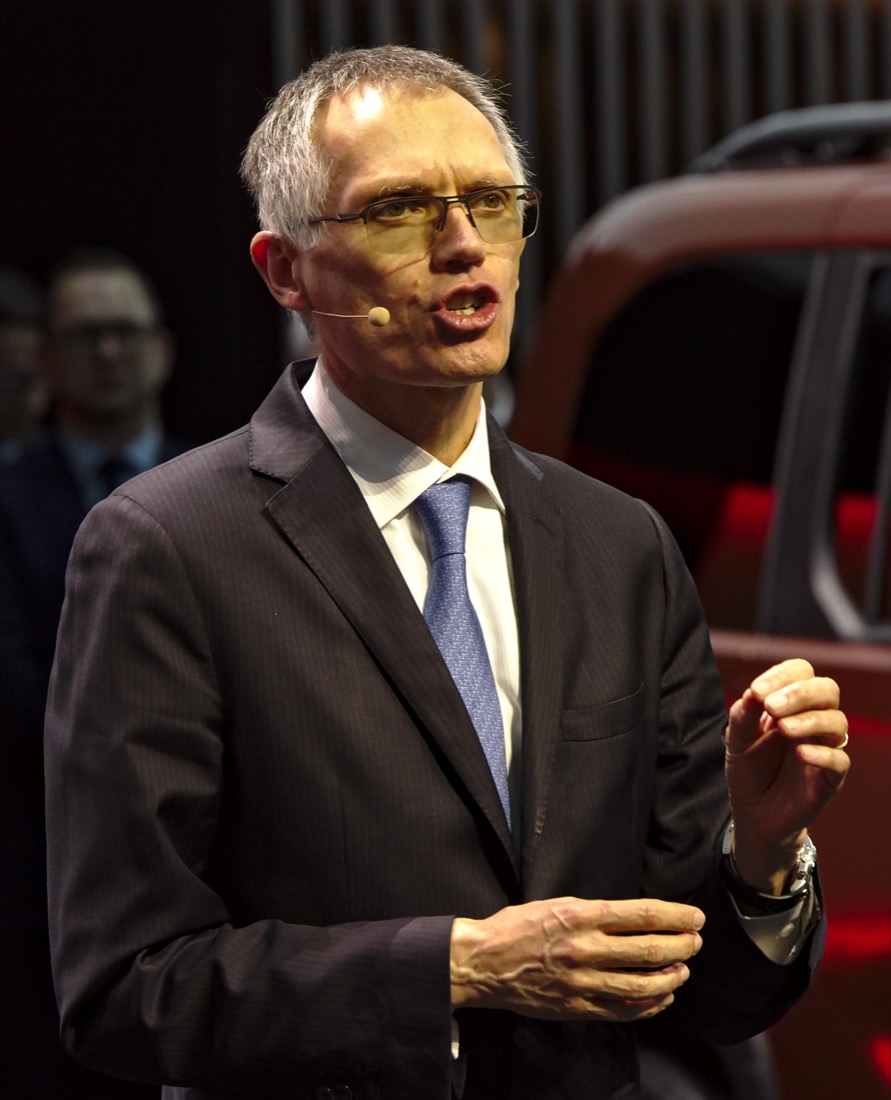
Carlos Tavares is a Portuguese automotive executive who became one of the most powerful and, ultimately, most controversial figures in the global car industry as the chief executive of Stellantis, the giant automaker he created by merging Peugeot's parent with Fiat Chrysler. Born in 1958 in Lisbon, Tavares built a reputation as a relentless turnaround specialist and cost cutter, reviving the French carmaker PSA and engineering the merger that formed one of the world's largest auto groups. He led Stellantis from its creation in 2021 until his departure at the end of 2024, which came amid clashes over the company's performance, his methods and his pay.
This profile covers who Carlos Tavares is, his early life and education, his automotive career, the creation and leadership of Stellantis, his departure, his net worth and his standing today.
Early Life and Education
Carlos Antunes Tavares was born in 1958 in Lisbon, Portugal. From a young age he was passionate about cars and motor racing, an enthusiasm that would shape his career and his identity as a self described car guy among auto industry executives. He pursued an engineering education, studying at the prestigious Ecole Centrale Paris in France, gaining the technical foundation for a career in the automotive industry.
His move to France for his education set the stage for a career largely centered in the European auto industry. His combination of engineering training and genuine passion for cars and racing distinguished him, and he would become known as an executive who deeply understood both the machinery and the business of making automobiles.
Rising Through Renault and PSA
Carlos Tavares built his early career at Renault, the French automaker, where he spent many years and rose to become chief operating officer, one of the most senior roles at the company. He developed a reputation as a highly capable and demanding executive. However, his ambition and his public comments about wanting a top job led to a falling out, and he left Renault.
He then took over as chief executive of PSA Group, the parent of Peugeot and Citroen, which was in serious financial difficulty. Tavares led a dramatic turnaround of PSA, slashing costs, restoring profitability and transforming the company's fortunes. He then went further, acquiring Opel, the European arm of General Motors, and turning it profitable as well. This turnaround cemented his reputation as one of the most effective operators in the global auto industry.
Creating and Leading Stellantis
Carlos Tavares's defining achievement was engineering the merger of PSA Group with Fiat Chrysler Automobiles to create Stellantis in 2021, one of the largest automakers in the world, with a sprawling portfolio of brands including Peugeot, Citroen, Fiat, Chrysler, Jeep, Dodge, Ram, Maserati and others. He became the chief executive of the combined giant, tasked with integrating the two companies and realizing the enormous savings the merger promised.
As chief executive, Tavares applied his trademark focus on cost discipline and efficiency, and Stellantis was highly profitable in its early years. He pushed the company to pursue ambitious targets, manage the costly transition to electric vehicles, and operate efficiently across its many brands and markets. For a time, his approach delivered strong financial results and made him one of the most admired executives in the industry.
Departure and Controversy
Carlos Tavares's tenure ended abruptly and contentiously at the end of 2024. As Stellantis faced mounting challenges, including weakening performance in key markets, strained relationships with dealers and workers who chafed at his aggressive cost cutting, and questions about strategy amid the difficult electric vehicle transition, tensions grew between Tavares and the board. He departed as chief executive amid this turmoil.
His exit was also colored by long running controversy over his compensation, which was among the largest of any automotive executive and had drawn criticism, including from politicians, as excessive. The combination of his very large pay, his hard driving methods and the company's difficulties made his departure one of the most dramatic leadership exits in the recent history of the auto industry. He left having built and run a giant company, but amid sharp debate over his legacy.
Carlos Tavares Net Worth
Carlos Tavares net worth is estimated in the range of tens of millions to over $100 million. His wealth comes from his executive compensation across his long automotive career, particularly his very large pay packages at Stellantis, which ran into the tens of millions of euros per year, along with an exit payout when he departed. His compensation was a frequent subject of public controversy.
Because his wealth is based on executive earnings rather than an ownership stake, and because precise figures are not fully disclosed, any specific number is an estimate. His financial position reflects one of the most highly paid careers in the global auto industry, a fact that became central to the debate surrounding his tenure.
Personal Life
Carlos Tavares is known for his genuine passion for cars and motor racing, and he has competed in amateur racing events, reflecting an enthusiasm that goes beyond the boardroom. He generally keeps his personal life relatively private, with his public identity defined by his career as a hard driving automotive executive. His Portuguese origins and his rise to the top of the European and global auto industry are notable parts of his story.
Achievements and Influence
Carlos Tavares's achievements include leading a celebrated turnaround of PSA, acquiring and reviving Opel, and engineering the merger that created Stellantis, one of the largest automakers in the world, which he then led to strong early profitability. His influence on the global auto industry has been significant, both through the scale of the company he built and through his model of relentless cost discipline. His contentious departure and the debate over his pay and methods have also made him a cautionary case study in corporate leadership.
Carlos Tavares in 2026
As of 2026, Carlos Tavares, having departed Stellantis at the end of 2024, is a former leader of one of the world's largest automakers whose legacy continues to be debated. The themes around him include the lasting effects of his strategy on Stellantis, the broader challenges facing the auto industry in the electric transition, and the questions his tenure raised about executive pay, cost cutting and the management of global carmakers.
He is profiled alongside other leaders in the Automotive sector on Founder Canon, the figures steering the companies that move the world.
Frequently Asked Questions
Who is Carlos Tavares?
Carlos Tavares is a Portuguese automotive executive who served as the chief executive of Stellantis, the giant carmaker formed by merging PSA Group, the maker of Peugeot, with Fiat Chrysler. He had earlier led a celebrated turnaround of PSA and held a senior role at Renault.
What is Carlos Tavares's net worth?
Carlos Tavares's net worth is estimated in the range of tens of millions to over $100 million, built from his executive compensation across his long automotive career, including very large pay packages and an exit payout from Stellantis. His pay was a source of controversy.
How old is Carlos Tavares?
Carlos Tavares was born in 1958, which makes him about 68 years old as of 2026.
Why did Carlos Tavares leave Stellantis?
He departed as chief executive of Stellantis at the end of 2024 amid clashes with the board and tensions over the company's performance, his aggressive cost cutting, strained relations with dealers and workers, and controversy over his large compensation.
What did Carlos Tavares do before Stellantis?
He was the chief executive of PSA Group, where he led a dramatic turnaround and acquired Opel, and before that he was the chief operating officer of Renault. He engineered the merger of PSA and Fiat Chrysler that created Stellantis.
Sources
More from Automotive
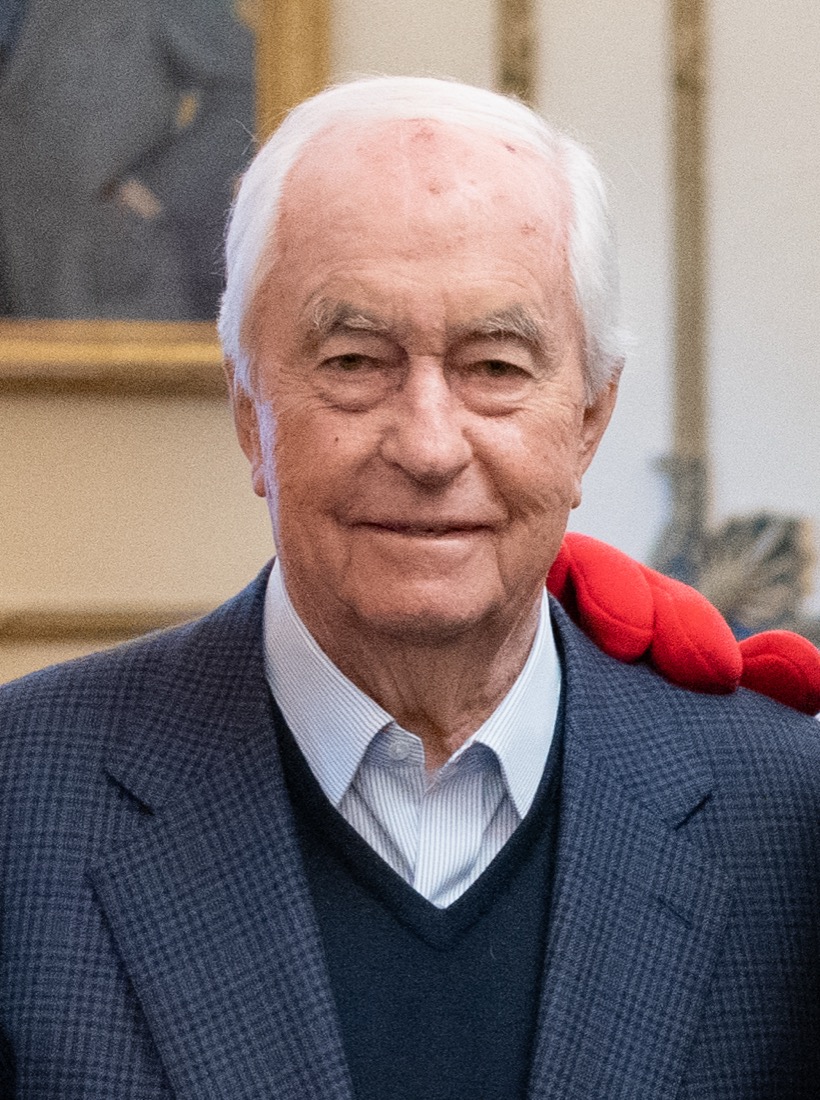
Roger Penske
Racing driver turned business magnate, the builder of an automotive empire and the most successful team in Indianapolis 500 history.
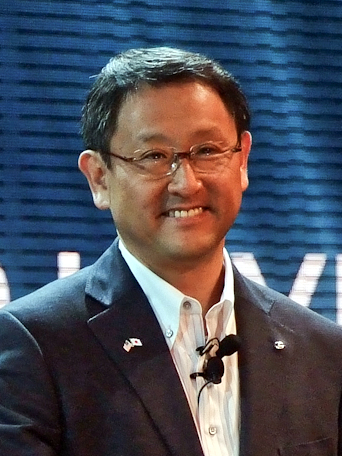
Akio Toyoda
The founding family scion who led Toyota for fourteen years, championing hybrids and a cautious path on electric cars while making the world's largest automaker drive again.
William Li
The Chinese entrepreneur who rose from a rural childhood tending cattle to build NIO, one of the most prominent electric vehicle makers challenging the global auto order.