Darren Woods
The engineer who rose through ExxonMobil's refining ranks to run the oil giant, defending its fossil fuel core while navigating the energy transition and investor pressure.
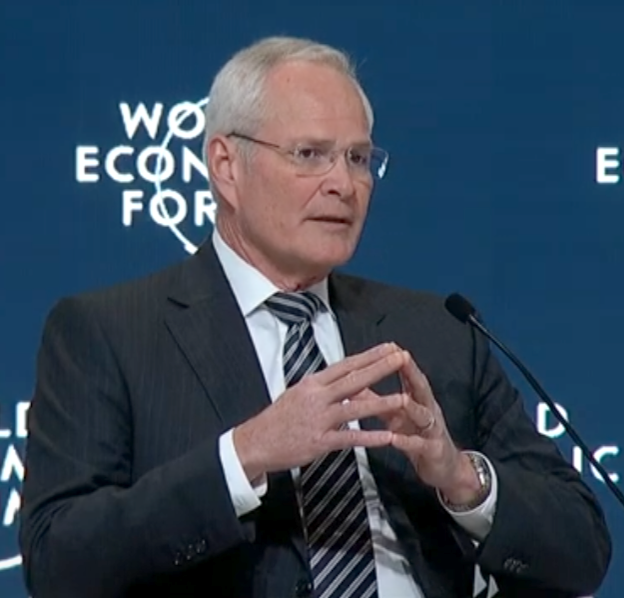
Darren Woods is an American business executive who is the chairman and chief executive of ExxonMobil, one of the largest and most influential oil and gas companies in the world. Born around 1965, Woods is an engineer who rose through ExxonMobil's refining and downstream operations before taking the company's top job in 2017. As chief executive, he has staked out a clear position defending the long term role of oil and gas, investing heavily in production even as the world debates the energy transition, while navigating intense pressure from investors and activists over climate change.
This profile covers who Darren Woods is, his early life and education, his rise through ExxonMobil, his leadership of the company, his net worth and his current role.
Early Life and Education
Darren Wayne Woods was born around 1965 in the United States. He pursued a technical education, earning a degree in electrical engineering from Texas A&M University, reflecting the engineering orientation common among leaders of major industrial and energy companies. He later complemented this with a master of business administration from the Kellogg School of Management at Northwestern University.
This combination of engineering and business education prepared him for a career that would span the technical operations of the energy industry and the strategic management of one of the world's largest corporations. He joined ExxonMobil and would spend his entire career there, a path typical of the company's leadership, which has long promoted from within.
Rising Through ExxonMobil
Darren Woods built his career within ExxonMobil over several decades, working primarily in the company's refining and downstream operations, which involve turning crude oil into fuels and other products. He held a series of roles of increasing responsibility across the company's global operations, developing deep expertise in the technical and commercial dimensions of the energy business.
His rise through the refining and chemicals side of the company, rather than the exploration side, gave him a particular grounding in the operational and manufacturing aspects of the business. He became a senior executive and a member of the company's leadership, positioning him as a candidate to eventually lead ExxonMobil, which has a long tradition of selecting its chief executives from among long serving insiders.
Leading ExxonMobil
Darren Woods became chairman and chief executive of ExxonMobil in 2017, taking over one of the most powerful companies in the global energy industry. He inherited leadership at a complex moment, with volatile oil prices, growing pressure over climate change, and increasing debate about the long term future of fossil fuels. Woods set a clear strategic direction centered on the continued importance of oil and gas while pursuing efficiency and disciplined investment.
His tenure has included dramatic events. ExxonMobil endured the collapse in oil demand during the pandemic, which led to large losses, before rebounding strongly as energy prices recovered and the company posted record profits. He has overseen major investments in production, particularly in low cost, high return areas, and pursued a strategy of being a reliable, large scale supplier of energy.
Navigating Climate Pressure and Major Deals
A defining feature of Darren Woods's leadership has been navigating intense pressure related to climate change. ExxonMobil faced a high profile challenge from activist investors, including a campaign that succeeded in placing dissident directors on its board, reflecting demands for the company to do more on emissions and the energy transition. Woods has responded by defending the company's core business while investing in lower carbon initiatives such as carbon capture, hydrogen and lithium, framing these as areas where ExxonMobil's scale and engineering can contribute.
He has also pursued major strategic moves, including the large acquisition of Pioneer Natural Resources, significantly expanding ExxonMobil's position in American shale production. Under Woods, the company has maintained its stance that oil and gas will remain essential for decades, a position that has drawn both support from those prioritizing energy security and criticism from climate advocates. This tension defines much of his public role.
Darren Woods Net Worth
Darren Woods net worth is estimated at roughly $150 million to $200 million. The bulk of his wealth comes from his substantial holdings of ExxonMobil stock, accumulated over a long career and through his compensation as chief executive, which runs into the tens of millions of dollars per year, weighted toward equity tied to the company's performance.
Because so much of his wealth is held in ExxonMobil shares, its value moves with the company's stock price, which has been strong during periods of high energy prices and profits. His financial position reflects a long career culminating in leadership of one of the most valuable energy companies in the world, rather than a founder's stake.
Personal Life
Darren Woods generally keeps his personal life private, with his public identity defined by his leadership of ExxonMobil. He is married and has a family. As the head of a company at the center of global debates about energy and climate, he is a prominent and sometimes polarizing public figure, frequently speaking on energy policy, the transition and the role of oil and gas, and representing the industry's perspective in major forums.
Achievements and Influence
Darren Woods's achievements include rising through ExxonMobil's ranks to lead the company, steering it through the pandemic collapse to record profits, executing major acquisitions, and defending a clear strategic vision for the role of oil and gas. His influence is enormous within the energy industry and in the broader debate about climate and the energy transition, where ExxonMobil's choices carry global weight. He is one of the most consequential and closely watched leaders in the energy sector.
Darren Woods in 2026
As of 2026, Darren Woods continues to serve as chairman and chief executive of ExxonMobil. The themes around him include the company's strategy amid the energy transition, ongoing pressure from investors and activists over climate, major investments in both oil and gas and lower carbon technologies, and ExxonMobil's role in global energy security and supply.
He is profiled alongside other leaders in the Energy sector on Founder Canon, the executives steering the companies that power the world.
Frequently Asked Questions
Who is Darren Woods?
Darren Woods is an American business executive who is the chairman and chief executive of ExxonMobil, one of the largest oil and gas companies in the world. An engineer by training, he rose through the company's refining and downstream operations before taking the top job in 2017.
What is Darren Woods's net worth?
Darren Woods's net worth is estimated at roughly $150 million to $200 million, driven largely by his substantial holdings of ExxonMobil stock and his executive compensation as the company's chief executive.
How old is Darren Woods?
Darren Woods was born around 1965, which makes him about 61 years old as of 2026.
Where did Darren Woods study?
He earned an electrical engineering degree from Texas A&M University and a master of business administration from the Kellogg School of Management at Northwestern University.
What has Darren Woods done as CEO of ExxonMobil?
He has led ExxonMobil since 2017, defending its core oil and gas business and investing heavily in production, while navigating the energy transition, investor pressure over climate, a high profile board challenge, and major moves including the large acquisition of Pioneer Natural Resources.
Sources
More from Energy
Mike Wirth
The chemical engineer who spent his whole career at Chevron and rose to run it, steering the oil major through price crashes, record profits and the politics of the energy transition.

Brian Moynihan
The lawyer who took over Bank of America in the wreckage of the financial crisis and spent more than a decade rebuilding it into a steady giant.